Introduction
-
Why 2026 matters — Content marketing is no longer just writing blogs and posting on social.
Consumer behaviour is shifting due to AI, immersive experiences, data privacy, and platform evolution.
These changes require smarter content strategies that consider how people discover, interact with, and trust content. -
Content marketing in 2026 is about visibility, relevance, authenticity, and participation — not just keywords and publishing frequency.
-
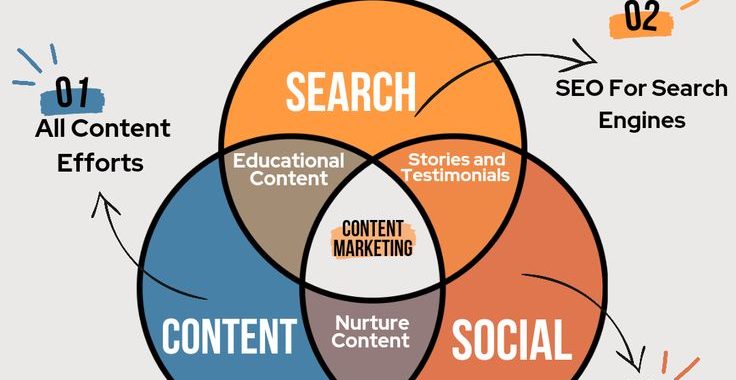
This year, successful content strategies will blur the lines between search, social, community, and AI discovery systems, reshaping how brands build audiences.
1. AI as Strategic Partner — Not Just a Tool
-
AI isn’t just for drafting text or auto-scheduling posts; it’s strategically shaping how content is planned, optimized, and extended.
-
🧰 AI for insights
-
Use AI to identify gaps in your content ecosystem — not just to generate whole articles.
-
Predict emerging questions or topics users will search for.
-
Analyze millions of user interactions to adapt content intent.
-
-
🤝 Human + AI collaboration
-
AI drafts and suggests structures, topics, insights, and metadata.
-
Humans add voice, context, emotion, brand nuance, storytelling, and editorial judgment — something AI can’t replicate fully.
-
-
🎯 Teams that treat AI as a co-pilot (not a replacement) will create higher-impact content that resonates with real people.
-
🧠 Leadership and roles are shifting — digital teams are integrating AI fluency into content strategist, creative, and analytics roles.
2. Zero-Click Content & AI-First Discovery
-
Traditional SEO based on “external clicks” is less reliable. Search engines and AI tools now deliver answers instantly, reducing clicks to websites.
-
📦 Zero-Click Content describes content that provides value without requiring the user to leave the platform where they discovered it (e.g., direct answers, social summaries, AI snippets).
-
❗ What this means for marketers:
-
Optimize content for AI assistant discovery — structure your text so that language models can confidently extract answers.
-
Use schemas, clear headers, bullet lists, tables, FAQs, and modular snippets that AI systems cite easily.
-
-
📊 Brands that thrive will build visibility via ecosystems instead of depending exclusively on SEO clicks from search engines like Google.
📹 3. Multi-Media Content Dominance
-
2026 is the year when text alone loses its edge.
Images, videos, audio, interactive visuals, and structured data help content get discovered across search and social surfaces. -
🎥 Video Content
-
Short-form video (Reels, Shorts, TikTok) captures attention and extends reach.
-
Long-form video content builds deeper connections, loyalty, and richer storytelling.
-
-
🎧 Audio & Podcasts
-
Audio content continues to grow — podcasts and AI-generated audio summaries are becoming mainstream engagement engines.
-
-
📌 Interactive Elements
-
Quizzes, surveys, polls, “choose-your-path” experiences, calculators, and interactive infographics directly engage audiences rather than passively present information.
-
-
Strong multimedia strategies improve discoverability on platforms, human engagement, and AI recommendations.
👥 4. User-Generated & Community Content (UGC & EGC)
-
Genuine voices outperform corporate talk. Readers and buyers increasingly value stories from real users, customers, and employees.
-
🌟 Types of UGC that matter
-
Customer testimonials & reviews
-
Social media stories, reels, and challenges
-
Employee insights, behind-the-scenes content
-
Community Q&As and conversations
-
-
🤝 Community-led content marketing
-
Brands build trust by creating spaces where audiences help build the brand narrative — e.g., forums, membership groups, Slack/Discord, newsletters.
-
-
🎯 Why this works
-
Real people add authenticity and relatability.
-
UGC often drives higher engagement and purchase intent than brand-produced content alone.
-
🔍 5. Integrated Search + Social Strategies
-
Search and social are no longer siloed. Audience discovery now blends traditional SEO, social signals, social search behavior, and AI retrieval.
-
📊 Social platform engagement influences SEO visibility as signals such as shares, comments, video views, and watch time reinforce authority.
-
🌀 For maximum reach, create modular content that works across:
-
Google Search
-
YouTube & TikTok
-
LinkedIn & Threads
-
AI assistant summaries
-
-
Content that performs well across surfaces increases brand visibility and omnipresent signals that feed AI rankings and recommendations.
🧩 6. Personalisation Driven by First-Party Data
-
Third-party cookies are largely obsolete. In 2026, privacy-compliant, first-party data drives personalisation.
-
📊 First-party data sources include:
-
Email interactions
-
Purchase history
-
On-site behaviour
-
Content consumption patterns
-
-
🎯 Content personalisation tactics
-
Dynamic content blocks in newsletters and on landing pages
-
Tailored content journeys based on behaviour and preferences
-
Intent-based segmentation instead of demographic buckets
-
-
Effective personalisation enhances relevance without being intrusive, boosting engagement and conversions.
💌 7. Newsletters as Strategic Content Channels
-
Social platforms become unpredictable due to changing algorithms and declining organic reach. Newsletters offer ownership and direct audience access.
-
🧠 Treat your newsletter as an editorial product — not a sales tool.
-
Stories, interviews, research insights
-
Behind-the-scenes updates
-
Exclusive analysis
-
-
📈 Benefits of newsletters
-
Stable engagement
-
Stronger audience loyalty
-
Better long-term monetisation opportunities
-
-
In 2026, newsletters are content hubs that guide audiences into deeper content ecosystems.
🧾 8. Trust, Authority & Ethical Content
-
The flood of generic AI content has made audiences crave authentic, well-sourced, transparent content.
-
📌 Trends in trust building
-
Ethically labelled “human-made” content
-
Verified source citations and references
-
Transparent AI disclosure
-
Content provenance & authentication technologies
-
-
🧠 Content that demonstrates expertise, authority, and experience (E-A-T) wins trust and performs better across channels.
-
Brands that invest in ethical content practices will experience better long-term engagement and brand loyalty.
📢 9. Conversational & Natural Language Optimization
-
As AI search and voice assistants grow, optimizing content for conversational phrases and natural speech patterns becomes essential.
-
💬 Focus on:
-
Real human queries (“How do I…” vs “best SEO tips”)
-
Long-tail conversational phrases
-
FAQ and natural dialogue style writing
-
-
Natural language optimization improves visibility in voice search, AI results, and search engines simultaneously.
🌐 10. Hybrid Metrics & Content Performance Measurement
-
In 2026, content success isn’t measured only by page views and clicks. Marketers track multi-dimensional KPIs:
-
Engagement depth (time, scroll, interaction)
-
Cross-platform visibility signals
-
AI citation frequency
-
Community participation levels
-
Content contributions from users
-
-
📊 This blends quantitative and qualitative measurements to understand true value delivered — beyond simple traffic metrics.
📌 Conclusion: The Future of Content Marketing
-
Content in 2026 isn’t siloed. It’s AI-assisted, user-driven, omnichannel, and structured for both humans and machines.
-
Marketers succeed by prioritizing:
-
authenticity over automation
-
value over volume
-
experience over exposure
-
-
Content marketing strategies that adapt to AI discovery, community engagement, personalisation, and multimedia integration will dominate.
🛠️ Final Action Plan — What You Should Do Today
-
🧠 Audit current content for discoverability across search, social, and AI interfaces.
-
🤖 Integrate AI into research and optimisation, not just writing.
-
📹 Expand content formats — add video, interactive pieces, audio, and visual storytelling.
-
💌 Build or refocus newsletters as owned channels.
-
🧩 Collect and use first-party data for personalisation.
-
👥 Foster community content & user contributions.
-
🪪 Establish transparent, ethical content practices.